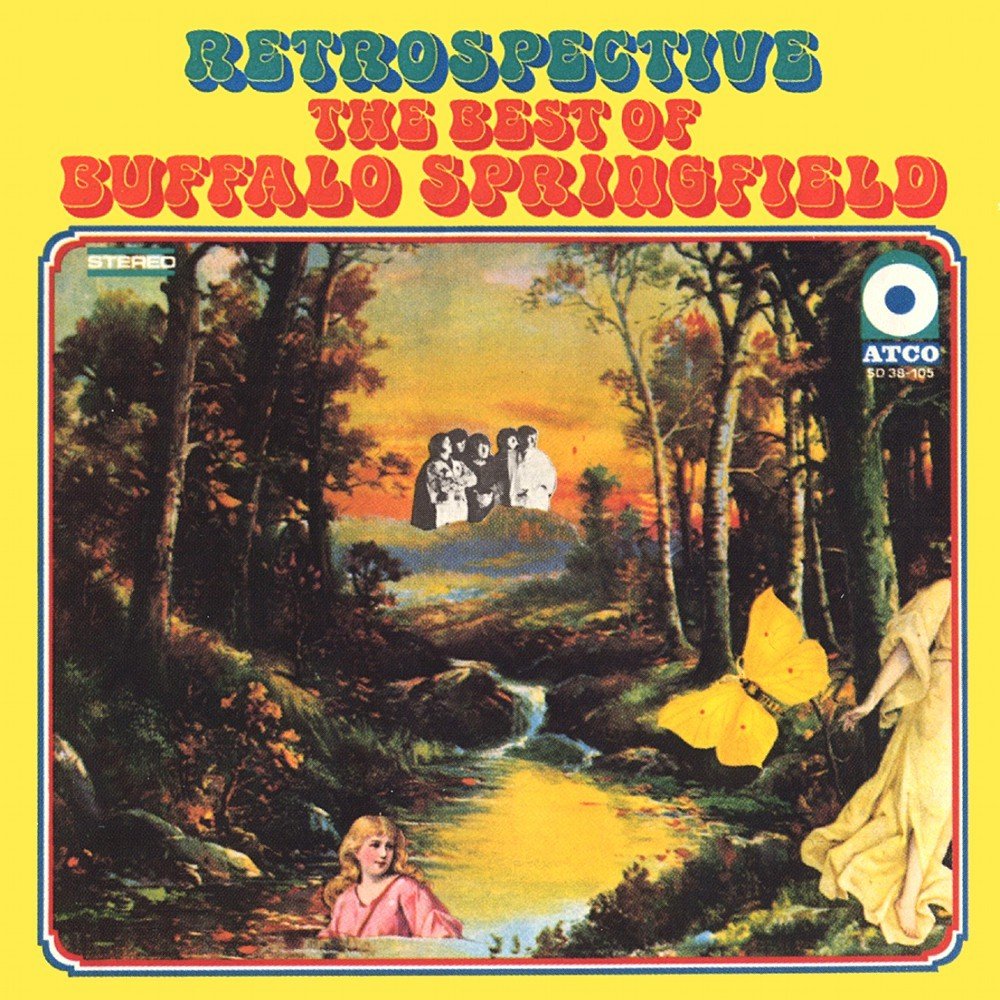
When you hear the opening guitar riff and Stephen Stills' haunting vocals asking "what's that sound?", the immediate question for many is, "who wrote the lyrics for For What It's Worth?" While the song has become an indelible anthem of protest, its origins and lyrical craftsmanship by Stephen Stills offer a masterclass in how specific, local events can blossom into universally resonant art. Far from a generic call to arms, this Buffalo Springfield classic is a finely tuned snapshot of a particular moment, crafted with an observational precision that allows its core message to transcend generations.
At a Glance
- Sole Author: Stephen Stills, then of Buffalo Springfield, penned the lyrics.
- True Inspiration: The 1966 Sunset Strip curfew riots, not the Vietnam War, sparked the song.
- Lyrical Depth: Stills' words capture the confusion, tension, and division of the protests.
- Universal Message: While rooted in specific events, the song critiques tribalism and urges critical awareness, making it timeless.
- Interpretation Tool: Understanding the real context is key to unlocking the song's nuanced meaning and avoiding common misinterpretations.
The Architect Behind the Anthem: Stephen Stills' Vision
It was Stephen Stills, a central figure in the legendary folk-rock band Buffalo Springfield, who singularly crafted the lyrics for "For What It's Worth." Recorded in December 1966 and released shortly thereafter, the song quickly climbed to number 7 on the Billboard Hot 100 in spring 1967. This meteoric rise solidified its place in music history, not just for its evocative sound but for its powerful, albeit often misunderstood, message.
Stills' ability to distill complex societal tensions into poetic yet direct language is a hallmark of his songwriting. He didn't just report on events; he captured the feeling of being in the midst of them, creating a narrative that was both deeply personal and broadly applicable. His pen gave voice to a generation grappling with authority, identity, and the rapid shifts of the counterculture movement.
Beyond the Battlefield: The True Spark of "For What It's Worth"
Many listeners, especially those encountering it years later, assume "For What It's Worth" is an anti-Vietnam War anthem. This assumption is understandable, given the song's release during the war's escalation and its pervasive use in protest movements. However, the genesis of the lyrics by Stephen Stills was far more localized and immediate: the Sunset Strip curfew riots in Los Angeles during November and December of 1966.
Imagine the Hollywood Sunset Strip in the mid-1960s – a vibrant hub of youth culture, live music clubs, and burgeoning counterculture movements. Young people flocked to venues like Pandora's Box and the Whisky a Go Go, creating a lively, late-night scene. Local residents and businesses, however, grew increasingly frustrated by the traffic, noise, and perceived disorder. Their solution? To push for stricter anti-loitering laws and a rigid 10 PM curfew.
This move was perceived by the youth as a direct affront to their civil liberties and their right to congregate and express themselves. The stage was set for a clash. On Saturday, November 12, 1966, flyers circulated, and local rock radio stations urged young people to rally outside the Pandora's Box club in protest. What began as a peaceful assembly quickly swelled to nearly a thousand protestors, including notable figures like Jack Nicholson and a detained Peter Fonda, all pushing back against what they saw as an unjust crackdown on their lifestyle.
The demonstrations, initially quiet, escalated into widespread unrest that continued through November and December. Police and protestors faced off, leading to club closures and a palpable sense of tension and confusion. It was this volatile atmosphere, this microcosm of generational and ideological conflict, that Stephen Stills observed firsthand and channeled into his lyrics. He wasn't writing about a war thousands of miles away; he was writing about the war on the streets right outside his window, a conflict that deeply impacted his peers and his own experience of the city. Understanding this specific context is paramount to truly appreciate the genius behind "who wrote the lyrics for For What It's Worth" and what those words truly convey.
Decoding the Disquiet: A Deep Dive into the Lyrics
Stephen Stills' lyrics for "For What It's Worth" function almost like a journalistic account, infused with poetic ambiguity. Each verse paints a picture of the unfolding events on the Sunset Strip, offering insights into the atmosphere, the players, and the underlying societal critiques. Let's break down how his words capture this specific moment and universal truths.
Verse 1: Setting the Scene of Unease
"Something's happening here / What it is ain't exactly clear / There's a man with a gun over there / Telling me to beware"
Stills opens with a sense of immediate disorientation. The "something's happening here" reflects the chaotic and rapidly evolving situation on the Strip. The "man with a gun" is a direct, potent symbol of authority, specifically the police presence enforcing the curfew. This figure represents control, intimidation, and the underlying threat of state power, instantly establishing a dynamic of tension and potential conflict. It's a stark introduction to the confrontation between young people and the authorities.
The Chorus: A Call to Awareness and Critical Thought
"I think it's time we stop, hey, what's that sound / Everybody look what's going down"
This iconic chorus is a direct plea for attention. The "children" it often refers to are the younger generation, the very protestors Stills observed. He's not simply asking them to observe the physical clashes, but to deeply consider the implications of "what's going down." It's a call for critical awareness, urging listeners to move beyond superficial observations and ponder the deeper societal forces at play. This isn't just about a curfew; it's about freedom, control, and the right to assemble.
Verse 2: Drawing Battle Lines and Critiquing Division
"There's battle lines being drawn / Nobody's right if everybody's wrong / Young people speaking their minds / Getting so much resistance from behind"
Here, Stills vividly describes the polarization of the conflict. "Battle lines being drawn" refers to the literal standoff between protestors and police, but also the ideological divide between youth and established authority. The profound line, "Nobody's right if everybody's wrong," is a potent critique of tribalism and absolutism. It suggests that in polarized struggles, when both sides dig in without understanding, true progress is impossible, and everyone ultimately loses. The "resistance from behind" speaks to the entrenched, traditional powers pushing back against the younger generation's desire for change and expression.
Verse 3: The Protest in Action, and its Pitfalls
"What a field day for the heat / A thousand people in the street / Singing songs and carrying signs / Mostly saying, hooray for our side"
This verse captures the essence of the protests themselves. "The heat" is a common slang term for the police, highlighting their visible presence. "A thousand people in the street" is a direct reference to the scale of the Sunset Strip demonstrations. Stills notes the visible signs and the "singing songs," encapsulating the atmosphere of dissent. However, the crucial detail "Mostly saying, hooray for our side" introduces a subtle yet powerful critique. It highlights the inherent tribalism of protests, where collective identity can sometimes override nuanced thought, reducing complex issues to simplistic "us vs. them" narratives.
Verse 4: The Psychological Toll of Unrest
"Paranoia strikes deep / Into your life it will creep / It starts when you're always afraid / Step out of line, the man comes and takes you away"
The final verse delves into the psychological impact of such unrest. "Paranoia strikes deep" refers to the constant fear of surveillance, retaliation, and consequences for dissent. In an environment where simply being out past curfew or expressing an opinion could lead to confrontation, this fear was real. The threat of stepping "out of line" and being "taken away" by "the man" (authority) underscores the suppressive tactics used to quash dissent. It's a stark warning about how fear can be wielded as a tool to control and silence.
Understanding these lyrical nuances, rooted in the true events of the Sunset Strip, reveals the song's intricate critique of societal division, the suppression of free expression, and the dangers of tribalism. Stephen Stills' lyrics don't just describe; they analyze, question, and caution.
The Song's Enduring Resonance: Why It Still Matters
While "For What It's Worth" was born from specific events, its enduring appeal lies in Stephen Stills' remarkable ability to craft lyrics that transcend their immediate context. The themes he explores – the struggle for self-expression against authority, the perils of societal division, the call for critical awareness, and the psychological impact of unrest – are sadly perennial.
This universality explains why the song is so often mistakenly associated with various anti-war movements or later social protests. Its adaptability makes it a powerful soundtrack for any generation confronting perceived injustice or authority. When "battle lines are being drawn" in any era, Stills' cautionary words about "nobody's right if everybody's wrong" continue to resonate as a plea for understanding over absolute conviction. It reminds us that fundamental struggles for change and freedom are constants, and the song serves as a timeless warning to pay attention to "what's going down," whatever form that takes.
Crafting Your Own Lyrical Deep Dive: Lessons from Stills
Understanding who wrote the lyrics for For What It's Worth and the specific historical context offers a practical framework for interpreting any song with enhanced depth. Here’s how you can apply similar critical thinking to your own explorations of lyrical meaning:
- Go Beyond Surface-Level Assumptions: Research the Origin Story.
- Stills' Lesson: We often misinterpret "For What It's Worth" because we assume its broad message implies a broad origin (like a major war). The reality was a specific, local conflict.
- Your Practice: Before forming a definitive interpretation, actively seek out information about the songwriter, their influences, the time period of creation, and any specific events that might have inspired the track. A quick search for "song title inspiration" or "songwriter's intent" can unveil crucial details.
- Dissect Verse by Verse: Look for Imagery, Metaphors, and Narrative Arc.
- Stills' Lesson: Each verse of "For What It's Worth" builds on the last, from the "man with a gun" to "paranoia." Stills uses concrete imagery to represent abstract concepts like authority and fear.
- Your Practice: Read the lyrics aloud, slowly. Highlight striking images, recurring motifs, or unusual phrasing. How does the narrative or emotional tone progress from one section to the next? What do specific nouns or verbs symbolize within the song's world?
- Identify Core Themes: What is the Overarching Message?
- Stills' Lesson: Beyond the Sunset Strip, the song speaks to critical awareness, the dangers of tribalism, and the struggle for free expression. These are the universal themes.
- Your Practice: Once you've analyzed the specifics, step back. What larger ideas or emotions does the song tap into? Is it about love, loss, social justice, personal struggle, hope, or despair? Try to summarize the core message in a single sentence or two.
- Consider the "Warning" Element: Is the Song Prescriptive or Descriptive?
- Stills' Lesson: "For What It's Worth" isn't just describing events; it's also a warning against division and a call to critical thought ("Everybody look what's going down").
- Your Practice: Does the songwriter seem to be simply telling a story, or are they advocating for a certain viewpoint, warning against a danger, or encouraging a specific action or way of thinking? Identifying this intent helps you understand the song's persuasive power.
- Avoid Anachronistic Interpretations: Understand the Historical Lens.
- Stills' Lesson: Attributing "For What It's Worth" solely to the Vietnam War would be anachronistic, imposing a later or broader context onto its specific origin.
- Your Practice: Be mindful of the time and place a song was created. While art can transcend its era, understanding the original historical and cultural context prevents projecting modern sensibilities or later events onto the lyrics. This doesn't mean a song can't gain new meanings over time, but it's crucial to distinguish between original intent and subsequent applications.
By employing these investigative and analytical steps, you move beyond passive listening to become an active participant in the song's meaning, much like deciphering a historical document. This deeper engagement enriches your appreciation for the art and the artist. If you're keen to explore more systematic approaches to breaking down lyrics, you can Dive deeper into lyrics and discover frameworks for textual analysis that apply to any musical piece.
Quick Answers: Unpacking Common Questions About "For What It's Worth"
Here are some common questions and clarifications that frequently arise when discussing the origins and meaning of this iconic song:
Q: Is "For What It's Worth" an anti-war song?
A: No, not directly. While it has become an anthem associated with anti-war movements and protests broadly, Stephen Stills wrote the lyrics specifically in response to the Sunset Strip curfew riots in Los Angeles in 1966. Its themes of governmental overreach, youth rebellion, and societal division resonated strongly with the anti-war sentiment of the time, leading to its adoption in that context.
Q: What does "the man with a gun" represent in the lyrics?
A: "The man with a gun" primarily represents figures of authority and control, specifically the police who were enforcing the strict curfew and anti-loitering laws on the Sunset Strip. It symbolizes the state's power to suppress dissent and the potential for intimidation and violence against protestors.
Q: Why does the song mention "paranoia strikes deep"?
A: This line reflects the real psychological impact of living under constant surveillance and the threat of retaliation for non-compliance with authority. During the Sunset Strip riots, young people felt their freedoms were being curtailed, and any "stepping out of line" could lead to confrontation or arrest, fostering a sense of fear and suspicion.
Q: Why is "For What It's Worth" still relevant today if it was about specific 1960s riots?
A: Its relevance endures because the lyrics address universal themes: the tension between individual freedom and societal control, the dangers of tribalism ("nobody's right if everybody's wrong"), the importance of critical awareness ("everybody look what's going down"), and the power dynamics between generations and authority figures. These struggles are timeless, allowing the song's message to resonate across different eras and contexts of protest and social change.
Q: Did Stephen Stills write other songs inspired by specific protests?
A: While Stills wrote many socially conscious songs throughout his career, "For What It's Worth" stands out as a direct and immediate lyrical response to a specific, widely publicized event he witnessed. His songwriting often reflected broader societal tensions, but this particular track is almost a real-time account of an unfolding civil rights clash.
Your Next Steps in Lyrical Understanding
Knowing who wrote the lyrics for For What It's Worth and the gritty details of its origin fundamentally shifts how you hear the song. It transforms it from a generic protest anthem into a highly specific, yet universally applicable, piece of social commentary.
Your immediate takeaway should be this: context is king. Never settle for the surface-level interpretation of a song, especially one that has become an iconic cultural touchstone. Take the time to investigate the songwriter's background, the era, and the events that shaped their creative process. This deeper dive doesn't diminish the song's power; it amplifies it, allowing you to appreciate the nuanced artistry and the enduring human truths embedded in the words. Next time you hear "what's that sound?", remember it's not just a question about noise, but a profound invitation to look closer at the world around you, exactly as Stephen Stills intended.